That faint, high-pitched squeak when you lightly touch the brake pedal or the subtle amber icon glowing on your dashboard might seem easy to ignore on a busy morning. It is tempting to turn up the radio, convince yourself that the car is still running fine, and push the trip to the shop off until next month. However, procrastination is easily the single most expensive habit a vehicle owner can cultivate. Modern automobiles do not operate as isolated collections of independent parts; they are highly integrated, precise systems where every component relies on the smooth operation of another.
When a single part begins to wear down or lose calibration, it creates a compounding chain reaction across surrounding mechanical systems. A minor $50 rubber seal that starts leaking oil can degrade engine mounts, rot radiator hoses, and short out expensive electrical alternators if left unaddressed. Similarly, ignoring a minor wheel alignment issue will chew through an expensive set of radial tires in a few thousand miles while damaging wheel bearings and tie-rod ends. The physics of automotive friction, thermal expansion, and hydraulic pressure mean that small issues never fix themselves—they simply grow quietly until they cause a breakdown.
Delaying routine vehicle maintenance or ignoring early warning signs is a false economy. What feels like saving a few dollars this week almost always results in a multi-thousand-dollar repair bill down the road, complete with towing expenses, rental car fees, and dangerous highway breakdown scenarios. This comprehensive guide details how small mechanical symptoms cascade into major repairs, providing actionable troubleshooting steps to protect your budget, safety, and vehicle longevity.
Your vehicle’s braking network is its most critical safety system. It is also an area where delaying minor maintenance leads directly to exponentially higher repair costs. Brakes rely on hydraulic pressure forcing high-friction pads against cast-iron rotors to slow down thousands of pounds of moving steel, generating intense friction and heat in the process.
Replace Friction Pads at the First Sign of Squealing to Save Rotors
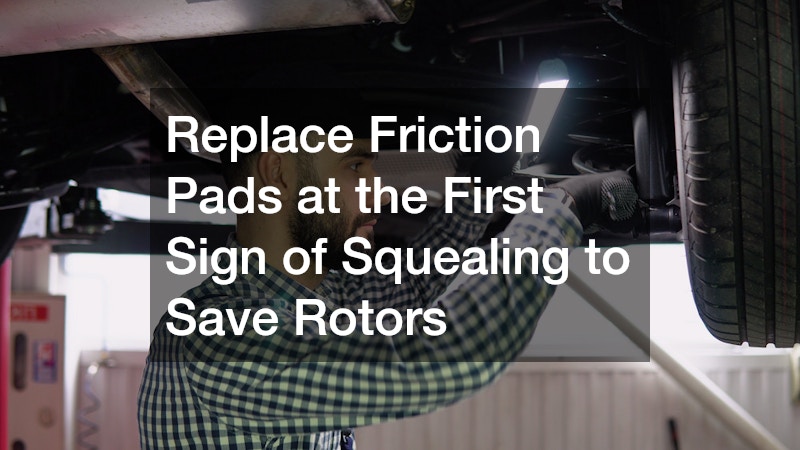
Brake pad manufacturers intentionally build a small, metallic spring tab—known as a wear indicator—into the pad assembly. When the friction material wears down to a critical threshold (typically around 3 millimeters), this metal indicator contacts the spinning rotor, producing a distinct, high-pitched squeal whenever you apply the brakes.
-
Pads-Only Service Phase: Catching brake wear during this squealing phase means you only need to replace the friction pads. The rotor surface remains smooth and undamaged, keeping parts and labor costs minimal.
-
The Metal-on-Metal Phase: If you ignore the squeal, the friction material wears away entirely. The steel backing plate of the pad then presses directly against the cast-iron rotor. This causes a harsh grinding noise, gouging deep grooves into the rotor face and rendering it unserviceable.
-
The Thermal Damage Phase: Grinding generates extreme heat that can warp the rotor, crack the friction surfaces, and contaminate the brake fluid, turning a quick pad replacement into a complete brake overhaul.
To avoid costly rotor replacements, inspect your pad thickness visually through the wheel spokes every few months. Scheduling routine car brake services as soon as friction material wears down to 3/32 of an inch prevents metal-on-metal contact, preserving your rotors and keeping repair costs manageable.
Address Hydraulic Fluid Leaks to Prevent Caliper and Master Cylinder Seizures
Brake fluid is hygroscopic, meaning it naturally absorbs moisture from the surrounding air over time. As water content builds up inside your brake lines, it lowers the fluid’s boiling point and causes internal corrosion along copper lines, rubber hoses, and steel caliper pistons.
Moisture-laden fluid that boils under heavy braking creates air pockets in the hydraulic lines, leading to a dangerous “spongy” pedal feel where the pedal sinks all the way to the floorboard. Furthermore, internal corrosion causes delicate caliper slide pins to seize up. A sticking caliper holds the brake pad constantly against the rotor while driving, causing rapid pad wear, severe fuel economy drops, and overheating that can destroy the wheel bearing assembly.
Catching hydraulic leaks, degraded seals, and contaminated fluid early requires routine visual and chemical testing. Booking a multi-point inspection at a qualified inspection shop allows technicians to test brake fluid copper content, measure moisture saturation, check hydraulic lines for corrosion, and ensure caliper slide pins move freely.
Your suspension system is responsible for keeping your tires firmly planted on the road while absorbing impact energy from potholes and rough pavement. Because suspension parts wear down gradually over tens of thousands of miles, drivers often fail to notice the slow degradation in ride handling until surrounding components suffer severe damage.
Fix Worn Bushings and Struts Before They Destroy Tires and Steering Linkages
Suspension systems rely on heavy-duty rubber or polyurethane bushings to isolate steel control arms from the vehicle frame. When a rubber bushing cracks, dries out, or tears, it introduces unwanted play into the wheel assembly.
-
Accelerated Tire Wear: Loose bushings allow the wheel to tilt and toe out while driving, dragging the tire sideways across the pavement. This creates irregular tread wear patterns like cupping or feathering, destroying a set of tires prematurely.
-
Compounded Steering Wear: Excess play in control arms transfers road shock directly into steering tie-rod ends, ball joints, and the steering rack, causing those precision components to loosen and fail early.
-
Blown Shock Absorbers: A worn shock absorber allows the vehicle springs to bounce unchecked. This constant wheel hopping wears down tires and places extreme impact stress on upper strut mounts and chassis mounting points.
Another classic example of a small issue turning into a major expense is a torn Constant Velocity (CV) joint boot. The rubber boot holds lubricating grease around the axle joint while keeping out dirt and water. A replacement boot is inexpensive, but if you ignore the torn boot, road grit enters the joint and grinds the precision bearings to pieces, forcing a complete CV axle assembly replacement.
Paying attention to clunks over speed bumps or loose steering feedback saves money in the long run. Arranging for targeted suspension repairs at the first sign of rubber degradation keeps your tires wearing evenly, preserves steering components, and maintains vehicle stability during emergency evasive maneuvers.
Resolve Minor Oil Weeps and Coolant Drips Before Engines Overheat
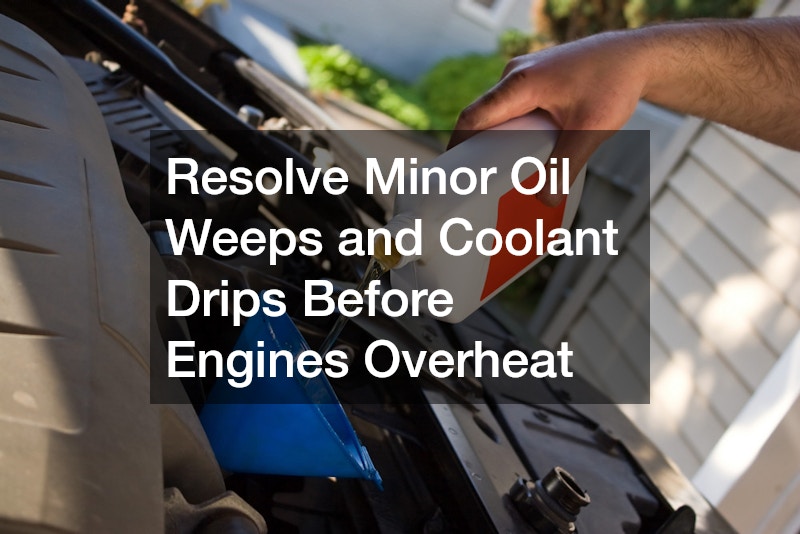
Engine oil and coolant are the lifeblood of your internal combustion engine. Oil lubricates moving parts and reduces friction, while coolant carries combustion heat away to the radiator. Even minor fluid leaks can trigger catastrophic engine failures if neglected.
An unaddressed oil leak from a valve cover gasket does more than leave stains on your driveway. Dripping oil rots rubber engine mounts, degrades radiator hoses, and contaminates alternators and air conditioning compressors located underneath the leak. Replacing an oil-soaked rubber hose or shorted alternator costs far more than replacing a valve cover gasket early on.
Coolant leaks are even more dangerous. Modern aluminum engine heads cannot tolerate overheating; even a single instance of running low on coolant can warp the cylinder head, blow the head gasket, or crack the engine block entirely. Building a relationship with a trusted local auto repair shop ensures that minor oil weeping and cooling system leaks are caught and corrected during routine oil changes before they cause major engine damage.
Correct Cosmetic Rim Damage and Curb Rash to Prevent Air Loss and Structural Failure
Hitting a deep pothole or sliding into a curb damages more than just the appearance of an alloy wheel. Impact forces often cause microscopic hairline cracks or subtle bends along the inner rim flange where the tire bead seats against the wheel.
-
Chronic Bead Leaks: A bent rim flange prevents the tire bead from forming an airtight seal, resulting in chronic low tire pressure. Running a tire just 5 to 10 PSI low generates internal heat, degrades fuel economy, and increases the risk of a high-speed tread separation blowout.
-
Corrosion Propagation: Curb rash scrapes away the protective clear coat layer, exposing raw aluminum alloy to road salt, water, and brake dust. Corrosion creeps under the remaining finish, pitting the metal surface and causing air to seep out continuously around the tire bead.
-
Unbalanced Rotating Mass: A bent rim creates a persistent high-speed vibration that damages wheel bearings, hub assemblies, and suspension linkages over time.
Instead of replacing an expensive original equipment alloy wheel, address curb damage promptly. Utilizing professional wheel reconditioning services restores the rim’s structural integrity, smooths out the bead seating area, and re-applies protective clear coats, ensuring a perfect airtight seal and smooth rolling performance.
Maintain Heavy Fleet Assemblies On-Site to Avoid Stranding Commercial Loads
For commercial transport fleets, vehicle downtime translates directly into lost revenue, missed delivery windows, and steep contractual penalties. A minor air brake line leak or a noisy wheel bearing on a commercial rig can escalate into an emergency roadside failure if ignored during pre-trip inspections.
When a heavy commercial truck suffers an axle seizure, tire blowout, or air system failure on the highway, standard roadside assistance is not an option. Having a reliable mobile truck repair service on call allows fleet managers to dispatch technicians directly to the vehicle’s location to fix air lines, replace brake shoes, or service tires without having to tow the vehicle.
If an engine lockup or structural frame damage prevents on-site repairs, prompt transport is critical to clear the roadway and prevent secondary accidents. Coordinating specialized heavy truck towing guarantees that fully loaded commercial rigs are safely transported using heavy-duty boom lifts and under-reach equipment, preventing chassis twist or drivetrain damage during transport.
Respect Precision Tolerances and Factory Schedules on Luxury Vehicles
European luxury and performance vehicles are engineered to deliver precise handling, quiet cabins, and high power output. However, these systems rely on tight mechanical tolerances and complex electronic networks that require strict adherence to factory maintenance schedules.
-
Air Suspension Systems: A minor pinhole leak in an air suspension bag causes the onboard air compressor to run continuously to maintain ride height. What should be an inexpensive air bag replacement quickly turns into an expensive repair when the overworked compressor overheats and burns out.
-
Direct-Injection Carbon Buildup: Direct-injection engines lack fuel washing across the intake valves, leading to gradual carbon buildup. Ignoring early misfires caused by carbon deposits degrades performance and can destroy oxygen sensors and catalytic converters.
-
Dual-Clutch and Automatic Transmissions: Deferring transmission fluid changes allows microscopic metallic wear particles to circulate through delicate mechatronic valve bodies, leading to complete transmission failure.
Maintaining high-end European vehicles requires specialized knowledge, diagnostic software, and OEM-quality parts. Servicing complex vehicles through specialists proficient in mercedes repair ensures that electronic calibrations, fluid specifications, and mechanical adjustments follow strict factory protocols, preventing small issues from turning into massive repair bills.
Repair Minor Frame Flex and Exterior Dents to Stop Corrosion and Sensor Misalignment
Minor fender benders, parking lot bumps, and subtle frame impacts often leave hidden damage beneath plastic bumper covers and body panels.
A minor impact can crack the protective paint and e-coat layers on structural unibody rails, exposing bare steel to moisture and road salt. Rust spreads invisibly behind plastic cladding, weakening structural crash zones and compromising passenger safety in future impacts.
Furthermore, modern vehicles house Advanced Driver Assistance System (ADAS) hardware—such as radar sensors, ultrasonic parking sensors, and wide-angle cameras—behind front grilles and bumper covers. Even a minor bumper tap can misalign these sensors by a fraction of a degree, causing blind-spot monitoring, lane-keeping assist, and automatic emergency braking systems to malfunction.
Taking your vehicle to certified car collision repair services following any incident ensures that unibody rails are measured for straightness, paint seals are restored, and ADAS sensors are precisely recalibrated.
Partnering with a comprehensive auto repair service provider at the first sign of abnormal dashboard lights, fluid drips, or subtle vibrations keeps minor maintenance issues manageable, protecting your vehicle’s resale value and keeping your driving costs low over the long haul.
Vehicle maintenance is inevitable, but expensive mechanical breakdowns are largely preventable. Modern automobiles provide clear warning signs—through warning lights, squeaks, vibrations, and fluid spots—long before total component failure occurs. Choosing to address these small issues immediately protects your vehicle, ensures passenger safety, and saves thousands of dollars in unnecessary repair bills.