
When a car is new—or at least reliable—it feels like freedom. It gets you to work, handles family responsibilities, and gives you control over your schedule. Over time, though, that same vehicle can quietly shift from being a helpful tool to a financial and logistical burden. Repairs pile up, reliability drops, and the stress of ownership starts to outweigh the convenience.
Recognizing when your car has crossed that line is not always easy. Many drivers normalize frequent breakdowns or rising costs, hoping that “one more fix” will solve everything. This guide is designed to help you step back, evaluate your situation clearly, and make informed decisions when your car is no longer working in your favor.
Recognize When Maintenance Stops Being Preventive
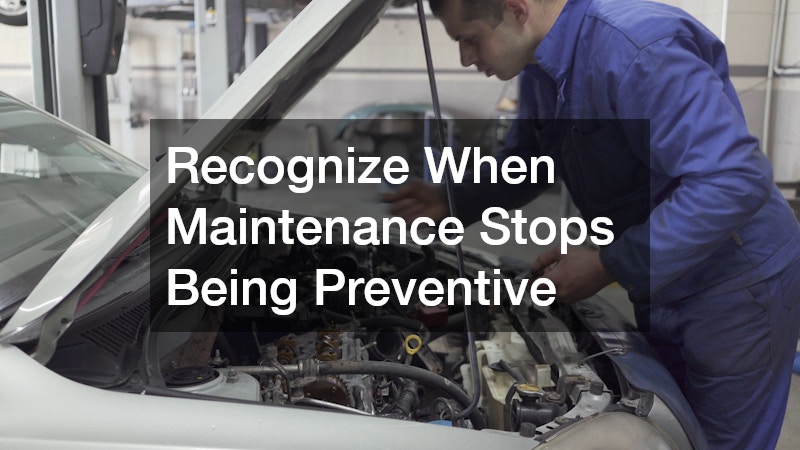
Regular upkeep is part of responsible ownership, but there is a point where maintenance stops preventing problems and starts reacting to them. That shift is often subtle at first. A repair here, an unexpected warning light there. Over time, though, the pattern becomes harder to ignore. Instead of addressing predictable wear, you find yourself responding to breakdowns, leaks, and failures that disrupt your schedule and strain your budget. This is often the earliest indicator that your car is no longer serving you—it’s managing crises instead of avoiding them.
When routine tasks like oil change services are no longer enough to keep the vehicle dependable, it’s worth digging deeper into what’s really happening. Preventive maintenance works best when the underlying systems are still healthy. In those cases, service extends lifespan, protects resale value, and reduces the chance of surprise failures. With a declining vehicle, maintenance shifts roles. You’re no longer investing to prevent problems; you’re paying to keep the car operational for just a little longer. That distinction matters because it changes how each dollar spent should be evaluated.
A useful way to think about this is intent. Are you maintaining the car to preserve reliability, or are you maintaining it because you’re afraid of what happens if you don’t? When maintenance becomes a defensive move rather than a proactive one, the balance has already tipped.
There are several warning signs that maintenance is no longer cost-effective, especially when they appear together:
- Repairs are becoming more frequent rather than less, even after major components are replaced
- New problems appearing shortly after previous fixes, suggesting system-wide wear
- Maintenance costs exceeding the vehicle’s annual depreciation, meaning the car is losing value faster than it’s being stabilized
- Shops fixing symptoms instead of root causes, often because deeper repairs aren’t financially practical
Another red flag is when mechanics begin qualifying their recommendations with phrases like “for now” or “as long as nothing else goes wrong.” These statements signal uncertainty, not confidence. They indicate that the vehicle is being patched, not restored.
To move from gut feeling to clarity, it helps to calculate what you’re actually spending. Gather records from the past 12 months and total every expense tied to keeping the car usable. This should include routine service, parts, labor, diagnostic fees, and any secondary costs such as missed work, rideshares, or short-term rentals when the car was unavailable. Many owners underestimate these indirect costs, even though they reflect the real impact of an unreliable vehicle.
Once you have that total, compare it to the car’s current market value—not what you paid for it, but what it would realistically sell for today. This comparison often reframes the situation quickly. If you’re spending 30-50% of the vehicle’s value each year just to keep it running, you’re no longer preserving an asset. You’re effectively paying a premium to delay an outcome that’s already underway.
At that stage, continuing maintenance often creates the illusion of control without delivering real stability. Each repair buys time, but not certainty. Instead of preventing a major financial hit, ongoing maintenance may simply spread that hit out over months or years—often at a higher total cost and with far more stress attached.
Understand How Financing Can Trap You in a Bad Vehicle
Even when a car is clearly unreliable, many owners feel stuck because of financing. Loan structure plays a major role in whether walking away is feasible or financially damaging.
Comparing bank vs credit union auto loans can reveal how interest rates, terms, and penalties affect your options. Longer loan terms may lower monthly payments but increase the time you’re tied to a depreciating vehicle. Higher interest rates can leave you owing more than the car is worth for years.
Signs your loan is contributing to the problem include:
- Negative equity that prevents selling or trading
- Monthly payments that strain your budget despite rising repair costs
- Penalties for early payoff or refinancing
- Insurance requirements are expensive for an unreliable vehicle
In some cases, refinancing can help—especially if your credit has improved since the purchase. In others, refinancing simply stretches the problem out longer. The key is understanding whether your loan structure supports flexibility or locks you into ongoing risk.
A vehicle should support your financial stability, not undermine it. If your financing forces you to keep an unsafe or unreliable car, the loan itself becomes part of the liability.
Take Control After an Accident Changes Everything

Accidents don’t always total a car outright. Sometimes the damage is repaired, but the vehicle is never quite the same. Structural issues, alignment problems, or lingering safety concerns can turn a previously dependable car into a constant worry.
In more serious situations, consulting a motor vehicle accident attorney can help clarify liability, insurance disputes, or diminished value claims. This is especially important when:
- Repairs restore appearance but not safety
- Insurance coverage disputes delay proper fixes
- The accident introduces legal or financial exposure
- The vehicle’s resale value drops significantly
Even after repairs, accident-damaged vehicles often cost more to insure, maintain, and trust. If you hesitate to drive your car on highways or long trips, that hesitation is data. A car you don’t feel safe in is already costing you peace of mind.
At this stage, it’s important to evaluate not just whether the car runs, but whether it exposes you to ongoing risk—financially, legally, or physically.
Avoid Letting Storage Become a Long-Term Mistake
When a car becomes problematic, many owners choose to park it “temporarily.” Weeks turn into months, and the vehicle sits unused while costs quietly accumulate.
Some people consider off-site solutions like a shipping container to keep the car out of sight. While this may feel like a pause button, storage is rarely neutral. Vehicles degrade when they sit idle: seals dry out, batteries fail, tires flat-spot, and corrosion accelerates.
Before choosing storage, ask yourself:
- Is this delay tied to a clear plan or just avoidance?
- How much will storage cost over six or twelve months?
- Will the vehicle be worth more—or less—after sitting?
- Are there insurance or liability concerns while it’s stored?
Storage can make sense if you’re waiting on a defined event, such as paperwork or short-term financial recovery. Without a plan, though, storage often increases the eventual loss.
Stay Mobile Without Making a Rushed Decision

One reason people cling to failing vehicles is fear of being stranded. Transportation is not optional for most households, but replacing a car under pressure often leads to bad decisions.
Using a truck rental or other short-term transportation option can buy you time. Temporary solutions allow you to evaluate your next move without the stress of immediate dependency on a broken car.
Short-term mobility strategies might include:
- Renting only on days when transportation is essential
- Sharing vehicles within a household temporarily
- Adjusting schedules to reduce daily travel needs
- Using delivery services to reduce errands
While rentals cost money, they can prevent much larger losses caused by rushed purchases, high-interest loans, or unreliable replacements. Think of temporary transportation as a planning tool, not a failure.
Know When It’s Time to Let the Vehicle Go
Letting go is often the hardest step because the decision is rarely just about numbers. Cars become part of daily life. They’re tied to routines, milestones, and past effort—especially when you’ve invested time and money trying to keep them going. Sunk costs can quietly influence decision-making, making it feel wasteful or disloyal to stop repairing a vehicle, even when those repairs no longer produce meaningful improvements. Acknowledging that emotional weight is important, but it shouldn’t be the factor that keeps you locked into a bad outcome.
Options like junk cars for cash exist because, at a certain point, removal is not only practical but responsible. Vehicles are mechanical systems with finite lifespans. When major components begin failing together—engine, transmission, electrical systems—the cost to restore reliability often exceeds any realistic return. Choosing removal doesn’t erase the care you put into the car; it simply recognizes that its useful life has ended. Continuing to invest in it at that stage rarely increases safety or value.
Clear signs that it’s time to let go often show up long before the vehicle fully stops running:
- Repair estimates exceeding replacement value, especially when those repairs address only one failing system
- Safety issues that cannot be fully resolved, such as structural damage, persistent braking problems, or unreliable steering
- Registration or inspection failures that require extensive work just to meet minimum standards
- Ongoing insurance costs for an unusable car, even when it spends more time parked than driven
Another overlooked signal is unpredictability. When you can no longer trust the car to start, stop, or handle normal driving conditions, you’re absorbing risk every time you turn the key. That risk may not show up as a line item in your budget, but it has real consequences in stress, lost time, and potential danger.
Removing a vehicle can immediately eliminate recurring expenses such as insurance premiums, storage fees, and registration costs. Just as importantly, it simplifies your decision landscape. Without the constant question of “Should I fix it one more time?” you can redirect energy toward finding transportation that is safer, more reliable, and aligned with your current needs. Clearing the vehicle from your driveway or garage also creates physical space, but the mental relief is often even greater. It allows you to move forward without being anchored to a problem that no longer has a workable solution.
Address Property Damage Left Behind
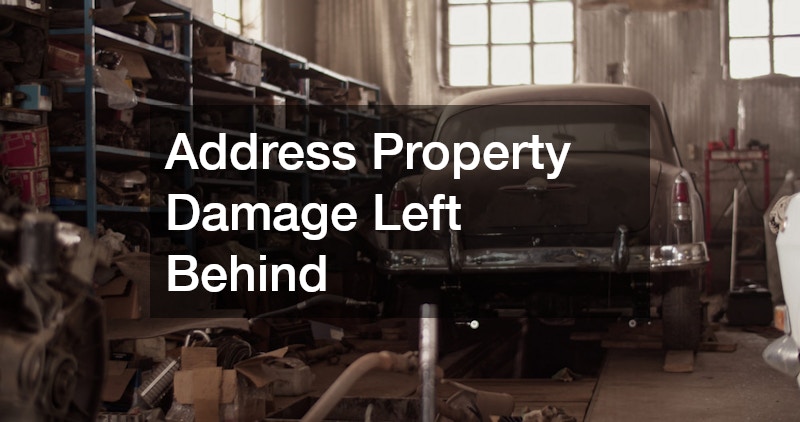
A non-functional car doesn’t just affect your finances—it can damage your property. Leaking fluids, excessive weight, and prolonged parking can degrade driveways and parking areas over time.
Consulting a paving contractor may be necessary when oil stains, cracks, or surface damage become permanent. In some cases, asphalt service is required to restore safety and prevent further deterioration.
Property damage often goes unnoticed until the vehicle is gone. Once removed, you may see:
- Discoloration from oil or coolant leaks
- Depression from long-term weight
- Cracking from uneven stress
- Drainage issues caused by surface damage
Addressing these issues promptly can prevent small problems from becoming expensive structural repairs.
Improve Home Security After Clearing the Space
Broken or abandoned vehicles can unintentionally signal neglect, which may attract unwanted attention. Once a problematic car is removed, it’s a good time to reassess overall property security.
Upgrades like security storm doors can strengthen entry points, especially if the vehicle previously blocked visibility or access. Clearing clutter improves sightlines and makes your home less appealing as a target.
Security improvements don’t need to be extreme. Small changes can make a big difference:
- Reinforcing doors and locks
- Improving exterior lighting
- Clearing visual obstructions
- Securing garages and storage areas
Vehicle removal often creates an opportunity to reset—not just financially, but in how your property functions and feels.
Choose the Right Help for Long-Term Repairs

When restoring driveways or parking areas after vehicle removal, working with a local paving company can provide better results than large, generic contractors. Local professionals understand regional weather patterns, soil conditions, and material performance.
Timing matters. Repairing surfaces after the vehicle is gone ensures the work lasts and prevents re-damage. It also allows you to right-size the repair instead of overcorrecting.
When planning property repairs:
- Prioritize safety over aesthetics
- Address drainage and structural integrity first
- Avoid upgrades that don’t align with long-term plans
- Coordinate repairs with future vehicle needs
Restoring your property completes the transition from liability back to stability.
Owning a car should make life easier, not harder. When a vehicle starts draining your finances, time, and peace of mind, the most responsible move is to face that reality head-on. By evaluating maintenance costs, financing structure, safety risks, and broader impacts on your property and daily life, you can make clear decisions instead of reactive ones.
Letting go of a failing vehicle isn’t giving up—it’s choosing safety, stability, and forward momentum.