A strange noise, a sudden loss of power, or a warning light flickering on the dashboard can turn a routine drive into a stressful situation. Most engine failures do not happen out of nowhere; they build gradually through small signals that many drivers overlook or dismiss. Learning to recognize these warning signs early can save you from a roadside breakdown, a costly repair bill, or even a safety hazard on the highway. This guide walks through the most common engine problems drivers experience, what causes them, and how to respond before a minor issue becomes a major one.
Dashboard Warning Lights You Should Never Ignore
Your vehicle’s dashboard is designed to alert you long before a problem becomes catastrophic, yet many drivers treat warning lights as background noise. The check engine light, temperature gauge, and oil pressure indicator each communicate something specific about your engine’s health. Ignoring these signals for even a few days can turn a simple fix into an expensive one.
- A flashing check engine light usually signals a serious misfire that needs immediate attention
- A red temperature warning means the engine is overheating and should be pulled over right away
- A low oil pressure light can indicate the engine is running without adequate lubrication
- Many auto repair companies offer free diagnostic scans to identify the exact trouble code
- Delaying a visit after a warning light appears often leads to more expensive repairs later
Unusual Engine Noises That Signal Trouble
Engines are not silent machines, but they should sound consistent day to day. When you notice knocking, ticking, grinding, or hissing sounds that weren’t there before, your engine is likely trying to tell you something is wrong. Identifying the type of noise can help a mechanic pinpoint the problem faster and avoid unnecessary guesswork.
A deep knocking sound often points to worn bearings or low oil levels, while a high-pitched squeal usually comes from a belt that needs replacing. Grinding noises during acceleration can suggest transmission issues rather than the engine itself, so it helps to note exactly when the sound occurs. Keeping a mental log of when and how a noise happens gives your technician valuable clues during diagnosis.
Loss of Power or Sluggish Acceleration
If your car feels like it’s struggling to reach highway speeds or hesitates when you press the gas, this is a clear sign something under the hood needs attention. Loss of power can stem from clogged fuel filters, failing spark plugs, or a struggling fuel pump. This symptom tends to worsen gradually, which is why many drivers don’t notice it until the problem is significant.
A restricted air intake or a failing sensor can also rob your engine of the oxygen and fuel mixture it needs to perform properly. If the sluggishness is paired with rough idling or stalling at stoplights, it’s worth having the vehicle inspected sooner rather than later. Waiting too long can strain other components and turn a minor repair into a full engine overhaul.
Excessive Smoke From the Tailpipe
The color of smoke coming from your exhaust tells a story about what’s happening inside your engine. White smoke often indicates coolant is leaking into the combustion chamber, while blue smoke suggests burning oil. Black smoke typically points to a fuel mixture that’s too rich, meaning the engine is burning more fuel than necessary; if you notice soot residue building up around the tailpipe or rear bumper, a car detailing service can help clear it away so you can monitor future smoke patterns more easily, and for business owners this is especially important since vehicles with a commercial fleet wrap need clean surfaces to keep logos and branding looking sharp.
Persistent smoke should never be ignored, since it usually reflects an internal issue that will worsen with continued driving. In some cases, improving vehicle exhaust extraction and airflow can reduce buildup and help technicians diagnose whether the issue lies in the exhaust system or the engine itself. Catching this early can prevent damage to the catalytic converter, which is far more expensive to replace than addressing the root cause.
Strange Smells Coming From Under the Hood
Your nose can be just as useful as your ears when it comes to catching engine trouble early. A sweet smell often means leaking coolant, while a sharp burning odor could indicate an electrical short or overheating clutch. A rotten egg smell is a telltale sign of catalytic converter trouble, which affects emissions and engine performance alike. Riders who spend time tinkering under the hood often apply that same attentiveness to their bikes, tackling projects like a motorcycle speaker upgrade during the same weekend they check for these warning signs.
- Sweet smell: possible coolant leak from a cracked hose or radiator
- Burning rubber smell: belt or hose rubbing against a hot engine part
- Gasoline smell: possible fuel leak that requires immediate inspection
- Rotten egg smell: failing catalytic converter affecting emissions
- Burning oil smell: leaking oil dripping onto hot engine components
Overheating Engines and Cooling System Failures
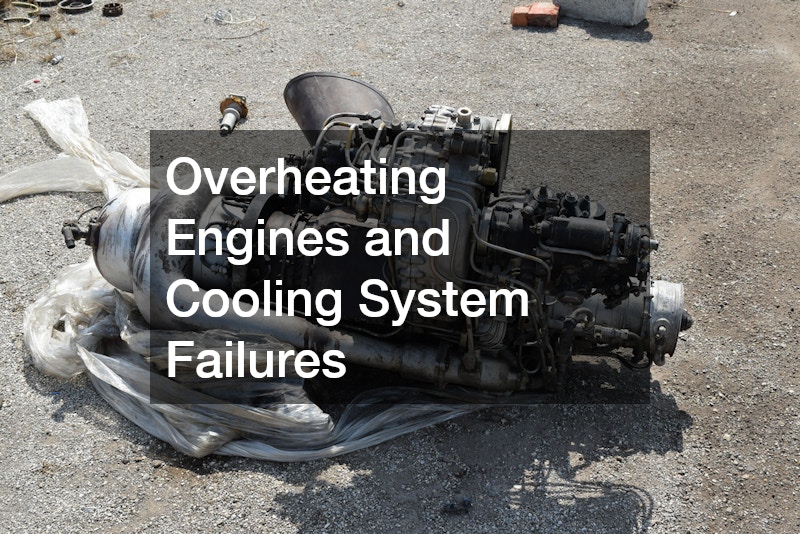
An overheating engine is one of the most urgent problems a driver can face, since continued driving can warp the cylinder head, blow a gasket, or even crack the engine block. Most temperature gauges sit comfortably in the middle of the dial during normal operation; anything pushing toward the “H” or into a red zone signals that your engine is running well above its safe operating range, typically above 230–250°F.
Low coolant levels, a failing radiator fan, a broken thermostat, or a leaking hose are the most common culprits behind rising temperatures. A coolant leak often leaves telltale signs like a sweet smell, a puddle under the car, or white residue near hose connections, while a stuck thermostat may cause temperatures to spike suddenly rather than climb gradually.
Dashboard warning lights, steam rising from under the hood, or a burning smell are additional cues that the cooling system is struggling. If your gauge creeps into the red zone, the safest move is to pull over immediately, turn off the engine, and let it cool for at least 15–20 minutes before even opening the hood, since a hot radiator cap can release scalding steam.
Once the engine has cooled, checking coolant levels in the overflow reservoir—never the radiator cap itself while hot—can help determine whether it’s safe to add fluid and continue slowly to a repair shop. Driving even a short distance on an overheated engine can turn a simple coolant top-off into an expensive repair, so when in doubt, call for a tow rather than risk permanent damage.
Watch your temperature gauge closely, especially during stop-and-go traffic or highway driving in hot weather. If the needle climbs past the midpoint, steam appears from under the hood, or you smell a sweet burning odor, pull over immediately and let the engine cool before checking coolant levels.
Regular coolant flushes every 30,000 miles and routine hose inspections can prevent most overheating issues before they start. Look for cracks, bulges, or soft spots in the hoses, and check the radiator cap seal, since a weak seal prevents proper pressurization and allows coolant to boil over at lower temperatures. A failing thermostat or a slipping serpentine belt can also cause sudden spikes, so these are worth checking whenever overheating recurs.
If you notice recurring overheating despite topping off coolant, it may be time to consult with local car engine replacement specialists to determine whether the damage extends beyond a simple repair. A cracked head gasket, warped cylinder head, or corroded radiator core often hides behind symptoms that look like a simple low-coolant issue. These technicians can run pressure tests and inspect for internal leaks that aren’t visible from a quick glance under the hood.
Catching the problem early is almost always cheaper than waiting until the engine seizes completely. A minor coolant leak repair might cost a few hundred dollars, while a full engine replacement after a seized block can run into the thousands. Addressing warning signs promptly protects both your wallet and your vehicle’s long-term reliability.
Vibrations and Rough Idling at Stoplights
A car that shakes noticeably while idling or stopped at a red light is often dealing with worn spark plugs, a dirty fuel injector, or a failing engine mount. This symptom is easy to dismiss because it may only last a few seconds, but it tends to indicate a developing issue rather than a one-time fluke. Left unaddressed, rough idling can eventually lead to stalling or reduced fuel efficiency.
Regular tune-ups that include spark plug replacement and fuel system cleaning can resolve most vibration issues before they escalate. If the shaking is accompanied by a burning smell or visible fluid leaks, it’s worth having a professional inspect the engine mounts and exhaust components as soon as possible.
When Collision Damage Affects Engine Performance

Not all engine problems originate from wear and tear; sometimes a fender bender or larger collision can damage components that affect performance even if the exterior looks fine. Radiators, belts, and sensors are often positioned near the front of the vehicle, making them vulnerable in even minor impacts. This is why a full inspection after any collision matters, regardless of how minor the damage appears.
Local collision repair services typically check for hidden engine bay damage as part of a thorough post-accident inspection, since a bent bracket or cracked hose can cause issues weeks later. Pairing this with quality auto body repair ensures both the frame and the mechanical systems underneath are restored properly. Skipping this step can leave you with a car that looks fine but drives poorly.
Deciding Between Repair, Replacement, or Retirement
At some point, every driver has to weigh whether continued repairs make financial sense or whether it’s time to part with the vehicle altogether. A common rule of thumb is the 50% rule: if a single repair bill exceeds half the car’s current market value, it’s usually smarter to walk away than to keep sinking money into an aging engine. It also helps to track repair costs over the past year — if you’ve already spent a significant sum on unrelated fixes, another major expense may be the tipping point.
If repair costs consistently exceed the car’s market value, many owners turn to car removals services to have the vehicle towed away responsibly, often in exchange for cash. These services are especially convenient for cars that no longer run, since they handle the towing, paperwork, and title transfer without requiring the owner to make the vehicle roadworthy again.
Others choose to sell aging vehicles to junk yards, where usable parts can be salvaged and recycled rather than left to rust. This route can make sense even for cars with a blown engine, since components like the transmission, alternator, or body panels may still hold resale value. Comparing quotes from a few junk yards or removal companies before committing can also help ensure you get a fair price for what’s left of the vehicle.
Before making a final decision, it helps to get a written estimate from a trusted mechanic outlining exactly what’s failing and what it will cost to fix. A good estimate should break down parts and labor separately, so you can see whether you’re paying for genuine repairs or excessive markup. Some owners find it worthwhile to compare quotes from multiple repair shops, since prices for the same job can vary significantly depending on labor rates and parts sourcing.
A widely used rule of thumb is the 50% test: if a single repair costs more than half the car’s current market value, replacement often makes more financial sense. Another approach is to total up recent and upcoming repair costs over the past year — if that figure starts approaching what you’d spend on a few months of car payments, retirement may be the smarter move. It’s also worth checking whether the failing part is isolated or a symptom of a larger, cascading problem, since one repair can sometimes reveal two or three more waiting behind it.
Age and mileage matter too. A car nearing 150,000 miles with a failing transmission is a very different case than a five-year-old vehicle with the same issue, even if the repair estimate looks similar on paper. Weighing these options honestly — cost, condition, and how much longer you realistically need the car to last — can prevent you from pouring money into a vehicle that’s reached the end of its practical lifespan.
Engine problems rarely appear without warning, and learning to notice the early signs puts you back in control before a small issue turns into a breakdown on the side of the road. Whether it’s a strange smell, a flickering dashboard light, or a new noise under the hood, addressing these signals promptly protects both your safety and your wallet. Trust your instincts, keep up with routine maintenance, and don’t hesitate to get a professional opinion when something feels off. Taking action early is always easier and cheaper than waiting for the problem to find you.