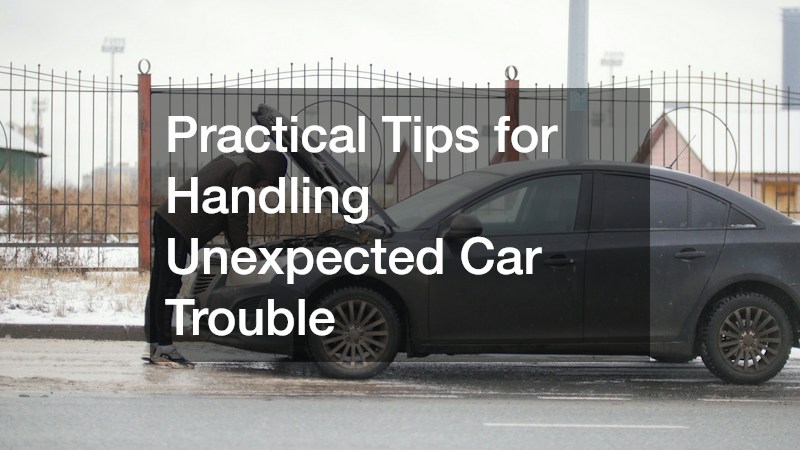
Unexpected car trouble can turn an ordinary drive into a stressful situation within minutes. A vehicle may suddenly stop starting, develop a serious mechanical problem, sustain damage in a collision, or become difficult to operate safely. Knowing how to respond can help you avoid making the situation worse while protecting yourself, your passengers, and your vehicle.
Once you are in a safer position, assess what happened and determine what type of assistance you need. Some problems may require immediate professional attention, while others can be addressed after a more thorough evaluation. Having a plan for common emergencies can make an unexpected problem easier to manage.
Recognize Early Signs That Your Brakes Need Attention
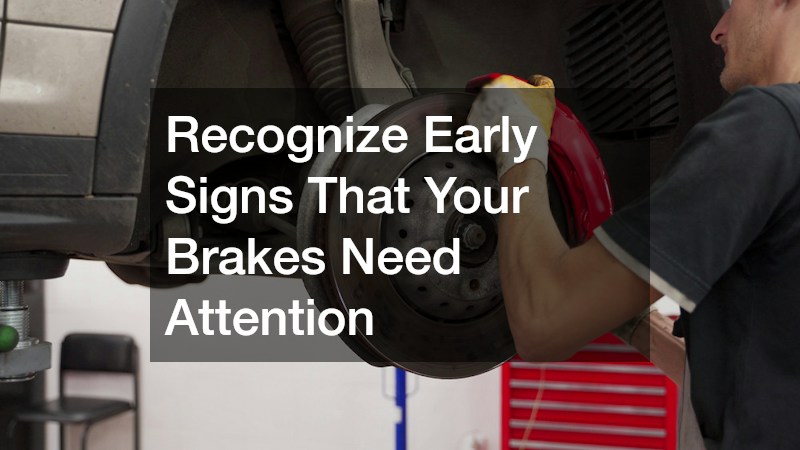
Brake problems can develop gradually, giving you opportunities to notice changes before they become more disruptive. Pay attention to how the vehicle feels during ordinary stops and compare its braking behavior with what you normally experience. New sounds, vibrations, or changes in pedal response are worth noting even when the vehicle still stops normally.
Routine observation can help you identify patterns that may warrant an inspection. When scheduling local auto brake services, provide specific details about what you have noticed rather than simply describing the issue as a general brake problem.
Watch for changes such as:
- Squealing or grinding sounds
- A pedal that feels softer or firmer
- Vibrations during braking
- The vehicle pulling to one side
- Changes in stopping response
- New warning lights
The timing of a symptom can also provide useful information. Note whether it occurs during the first few stops, after extended driving, or consistently whenever you apply the brakes. Keeping track of these details can help a professional evaluate the system more efficiently.
Regular attention to small changes is especially useful because drivers may become accustomed to gradual differences in how their vehicles operate. If something feels noticeably different, have it evaluated rather than assuming the change is simply part of normal vehicle operation.
Respond Properly When a Brake Problem Develops
Once you recognize a significant braking problem, the priority shifts from monitoring the vehicle to deciding whether it can be driven safely. A vehicle that is difficult to stop, pulls severely, produces significant grinding, or develops a major change in pedal behavior may need to be taken off the road rather than driven to a repair facility.
If a problem develops while you are driving, reduce speed carefully and look for a safe location to stop. Avoid sudden maneuvers, and do not continue driving simply because the vehicle can still move.
When arranging brake repair, explain exactly what happened and provide details such as:
- When the problem began
- Whether it appeared suddenly or gradually
- What the brake pedal felt like
- Any sounds, smells, or vibrations
- Whether the vehicle pulled while stopping
- Whether any warning lights appeared
Avoid repeatedly testing a serious brake problem on the road to see whether it improves. A professional evaluation can determine what caused the change and which components require attention. Addressing the problem based on its actual cause is more useful than continuing to drive while hoping the symptoms disappear.
Take the Right Steps After a Collision
A collision can leave a vehicle with obvious exterior damage or problems that are not immediately visible. After making sure everyone is safe, move the vehicle out of traffic if it can be operated safely. Avoid driving it if steering, braking, tires, lights, or other important systems appear compromised.
Documenting the scene can also help preserve useful information about what occurred. Take photographs when it is safe to do so, and keep relevant information organized rather than relying entirely on memory.
Before arranging repairs, consider documenting:
- Damage from multiple angles
- The surrounding roadway or parking area
- Visible debris or vehicle parts
- Damage to other involved vehicles
- Relevant identifying and insurance information
Auto collision shops can evaluate damage and determine what repairs may be needed. A vehicle that appears drivable immediately after an impact may still warrant professional evaluation. Do not assume that limited visible damage means there are no underlying concerns. Having the vehicle assessed can help identify issues that may not be apparent during a quick inspection.
Know When Your Vehicle Needs Emergency Towing
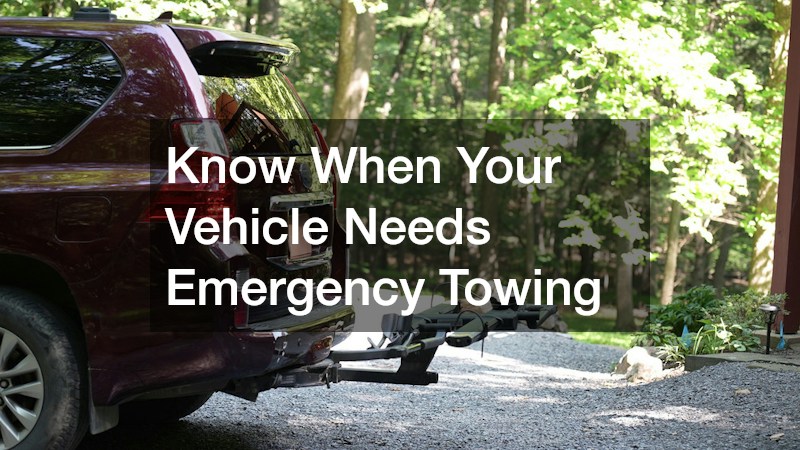
Some breakdowns should not be handled by continuing to drive. A vehicle that has overheated, lost significant mechanical function, sustained collision damage, or developed a serious tire or steering problem may be unsafe to operate. Continuing to drive can also turn a manageable repair into a more complicated one.
If the vehicle cannot be driven safely, move it as far away from active traffic as possible when conditions allow. Turn on hazard lights and stay in a secure location while waiting for assistance. If you are on a highway or another busy roadway, avoid standing near moving traffic.
When contacting 24 hour towing services, provide:
- Your exact location or nearest identifiable landmark
- The vehicle’s make, model, and approximate size
- The nature of the problem
- Whether the vehicle can move
- Any special access or loading considerations
Providing accurate information helps the towing provider prepare for the situation. If you are unsure whether the vehicle is safe to drive, describe the symptoms and let a qualified professional help determine the appropriate next step.
Check Your Towing Setup Before Hitting the Road
Unexpected trouble can also occur when a vehicle is being used to tow a trailer. Problems with the connection, wiring, or other equipment can create instability or prevent the trailer from functioning as intended. Checking the setup before departure can help identify obvious concerns while the vehicle is still parked.
Inspect the connection carefully rather than assuming that everything is secure because the equipment was previously used without an issue. Make sure the trailer is properly attached and check the components that keep it connected to the vehicle.
Before driving, check:
- Hitch connection and attachment points
- Safety chains and related hardware
- Electrical connections and trailer lighting
- Visible signs of looseness or damage
- Trailer position and stability
- Equipment that could interfere with movement
A trailer hitch should be appropriate for the vehicle and towing setup being used. If something appears damaged, loose, or improperly connected, stop and address the problem before getting onto the road. A few minutes of inspection can be preferable to discovering a connection problem after the trailer is already moving.
Handle Vehicle Lockouts Without Creating More Damage
A vehicle lockout can happen when keys are accidentally left inside the car, misplaced, or damaged. The situation may be frustrating, particularly when it occurs late at night, during bad weather, or in an unfamiliar location. Trying to force the door open can create additional damage and may turn a simple lockout into a more expensive problem.
Start by checking whether another authorized key is available. If there is no practical backup option, professional assistance can help resolve the problem without resorting to improvised entry methods.
When contacting a local locksmith, have useful information available, including:
- Your vehicle’s make and model
- Your current location
- Whether the keys are locked inside
- Whether the keys were lost or damaged
- Whether the vehicle has special locking features
Avoid using objects or makeshift tools to pry open the door. Modern vehicles can have sensitive locks, seals, windows, and electronic components that may be damaged during an attempted break-in. Once access is restored, consider keeping a spare key in an appropriate secure location so a future lockout is easier to handle.
Deal With a Dead Battery Safely
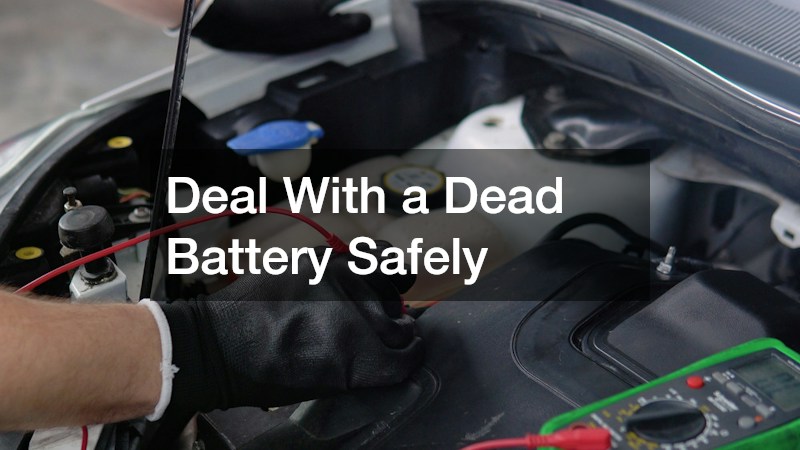
A vehicle that will not start does not always have a major mechanical failure. A dead or weakened battery can prevent the engine from turning over, particularly after lights or other electrical equipment have remained on. In some cases, the vehicle may produce clicking sounds or show weak electrical activity when you attempt to start it.
Before attempting to restart the vehicle, make sure the equipment and connections you are using are appropriate and positioned safely. Follow the vehicle manufacturer’s instructions for the starting procedure rather than relying on assumptions about battery connections.
Before attempting jump starts, consider:
- Turning off unnecessary electrical equipment
- Checking that the battery and cables appear intact
- Positioning vehicles or equipment safely
- Following the correct connection procedure
- Keeping loose clothing and hands away from moving components
A successful start does not necessarily mean the problem is resolved. If the battery repeatedly loses power or the vehicle will not remain running, another issue may be involved. In that situation, professional evaluation can help determine whether the battery, charging system, or another component requires attention.
Protect Visibility When Your Vehicle Glass Is Damaged
Damaged vehicle glass can interfere with visibility and may become worse if the vehicle continues to encounter vibration, temperature changes, or additional impacts. A small chip or crack may appear manageable, but its location and extent can affect whether it can be repaired or requires replacement.
If glass is damaged while you are driving, find a safe place to stop and assess the condition. Avoid continuing to drive if the damage significantly obstructs your view or creates another immediate safety concern.
After discovering damage:
- Photograph the affected area
- Avoid touching broken glass
- Protect the interior from loose fragments
- Keep additional pressure away from damaged areas
- Note when and how the damage occurred
- Arrange professional evaluation
Glass repair and replacement professionals can assess the condition and determine what type of service is appropriate. The decision may depend on the location, size, and characteristics of the damage. Prompt attention can also help prevent a small problem from becoming more extensive. Do not assume that every crack or chip should be handled in exactly the same way.
Watch For Alignment Problems After Impact
A vehicle can develop handling problems after hitting a pothole, curb, road debris, or another obstacle. An impact may leave the vehicle feeling different even when there is no obvious exterior damage. Changes in steering or tire behavior are worth paying attention to rather than dismissing them as temporary.
Common signs include a steering wheel that no longer sits straight while traveling normally, pulling toward one side, unusual tire wear, or handling that feels different from before the impact. New vibrations can also warrant an inspection, particularly when they began immediately after hitting something.
After an impact, pay attention to:
- Steering wheel position
- Whether the vehicle pulls left or right
- Changes in tire wear
- New vibrations or unusual handling
- Visible tire or wheel damage
- Changes in driving stability
Truck alignment can be particularly important when a larger vehicle experiences an impact or develops handling concerns. If the vehicle does not feel the way it normally does, have it evaluated rather than trying to compensate for the change while driving. An inspection can identify whether alignment or another component needs attention.
Preserve Important Information After a Crash
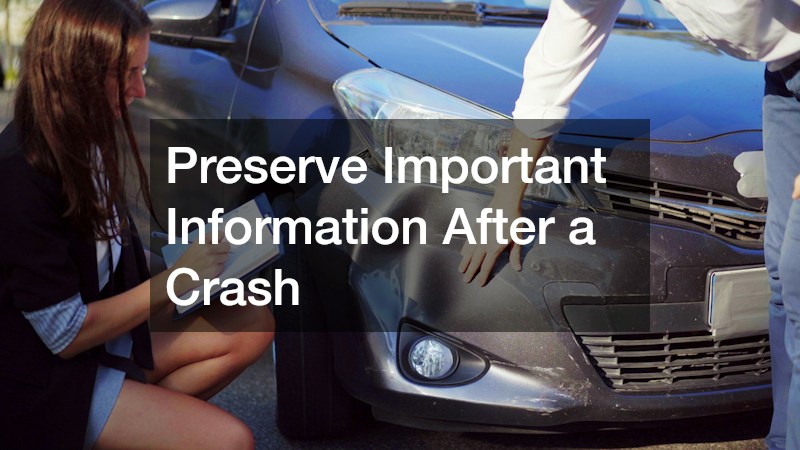
A serious collision can produce information from several sources, including photographs, reports, witness accounts, vehicle damage, and information stored within the vehicle. Preserving relevant information can be important when the circumstances of a crash need to be documented or examined later.
After a collision, avoid making unnecessary changes to the vehicle before it has been appropriately documented or evaluated when circumstances allow. Keep photographs and other records organized, including information about when and where the incident occurred.
Useful records may include:
- Photographs of vehicle damage
- Photos of the surrounding scene
- Police or incident reports
- Insurance communications
- Witness information
- Repair and inspection documentation
Crash data retrieval services may be used when specialized vehicle information needs to be obtained for a collision investigation. Because the process can involve vehicle-specific equipment and procedures, it is important to use qualified professionals for this type of work.
Keep copies of relevant records rather than relying on a single source. Organized documentation can make it easier to provide accurate information to the professionals handling the vehicle, repair process, insurance matter, or other aspects of the incident.
Unexpected vehicle trouble is easier to manage when you know how to respond before you are faced with a problem. Whether the issue involves braking, a collision, towing, a lockout, a dead battery, damaged glass, or unusual handling, the first step is to protect yourself and others from additional danger. Moving away from traffic when possible and avoiding unnecessary driving can help reduce immediate risks.
Preparation can also reduce stress when something goes wrong. Keep important vehicle information accessible, know where to find assistance, and pay attention to changes in how your vehicle operates. Taking these steps can help you respond more calmly and make informed decisions when unexpected car trouble interrupts your plans.